Blooming & De-Compacting
Assess matted fibers and compacted infill, then use suitable grooming to improve the appearance and condition of serviceable artificial turf.
About Blooming & De-Compacting
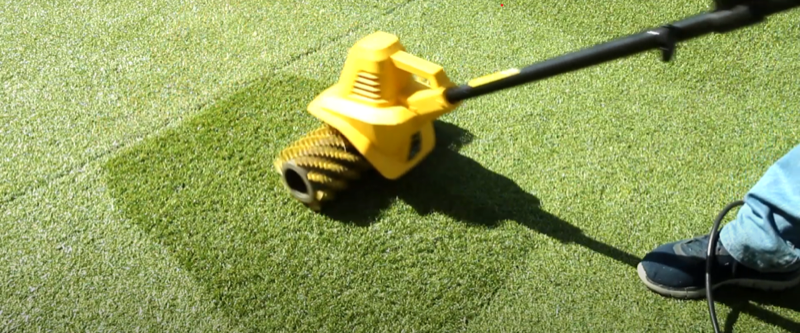
Blooming is the grooming of artificial turf fibers that have flattened with use. De-compacting addresses infill condition where the installation and manufacturer guidance allow it. Murphy's Turf assesses the surface before selecting a method, because decorative lawns, pet turf, and putting greens can need different handling. Cleaning and grooming can improve some surface conditions, but they cannot reverse every form of wear.
Start with the areas that look or feel different. Photograph the route from a door to a gate, the space beneath furniture, and any frequently used pet spot. Compare those areas with less-used turf. Tell us about the age of the installation and the last time it was groomed. Torn fibers, loose seams, exposed backing, and an uneven base should be identified separately from ordinary matting.
The work should preserve the specified turf and infill system. Share product information if you have it and ask which brushing or de-compacting steps are proposed. Do not add an unfamiliar infill material before the assessment. A putting surface can have different performance requirements from a long-pile lawn, even when both are in the same backyard.
Drainage is another separate question. Surface debris or compacted material may contribute to a problem, but grooming does not prove that the underlying base and outlets work correctly. If water remains after rinsing or rain, document where it collects and request a drainage assessment. After service, review the surface condition and use it to decide whether periodic grooming is useful for your property.
What's Included
Key Benefits
Address serviceable matted areas
Review infill before grooming
Distinguish upkeep from repair needs
Plan maintenance around actual traffic
Turf Gallery
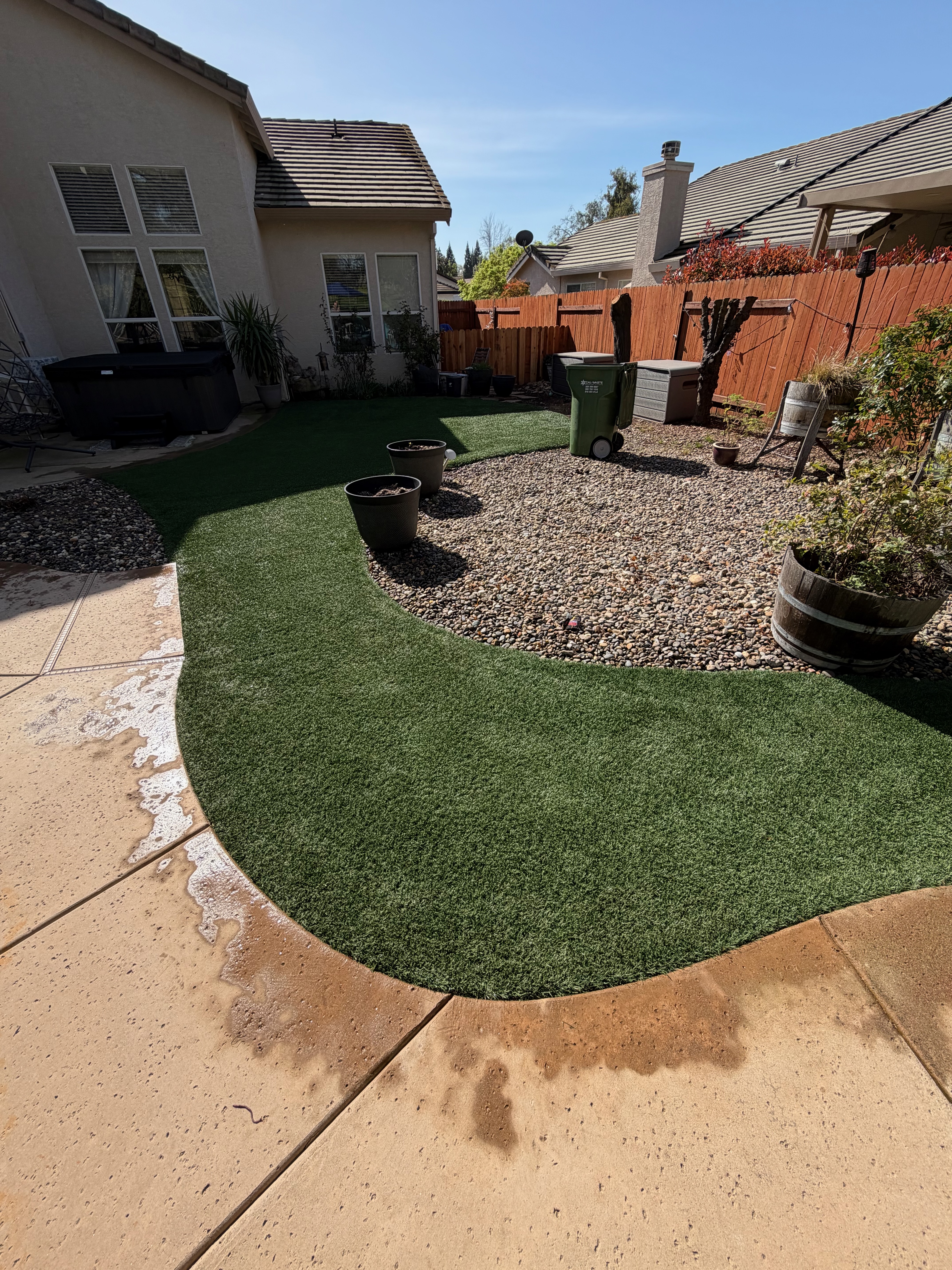
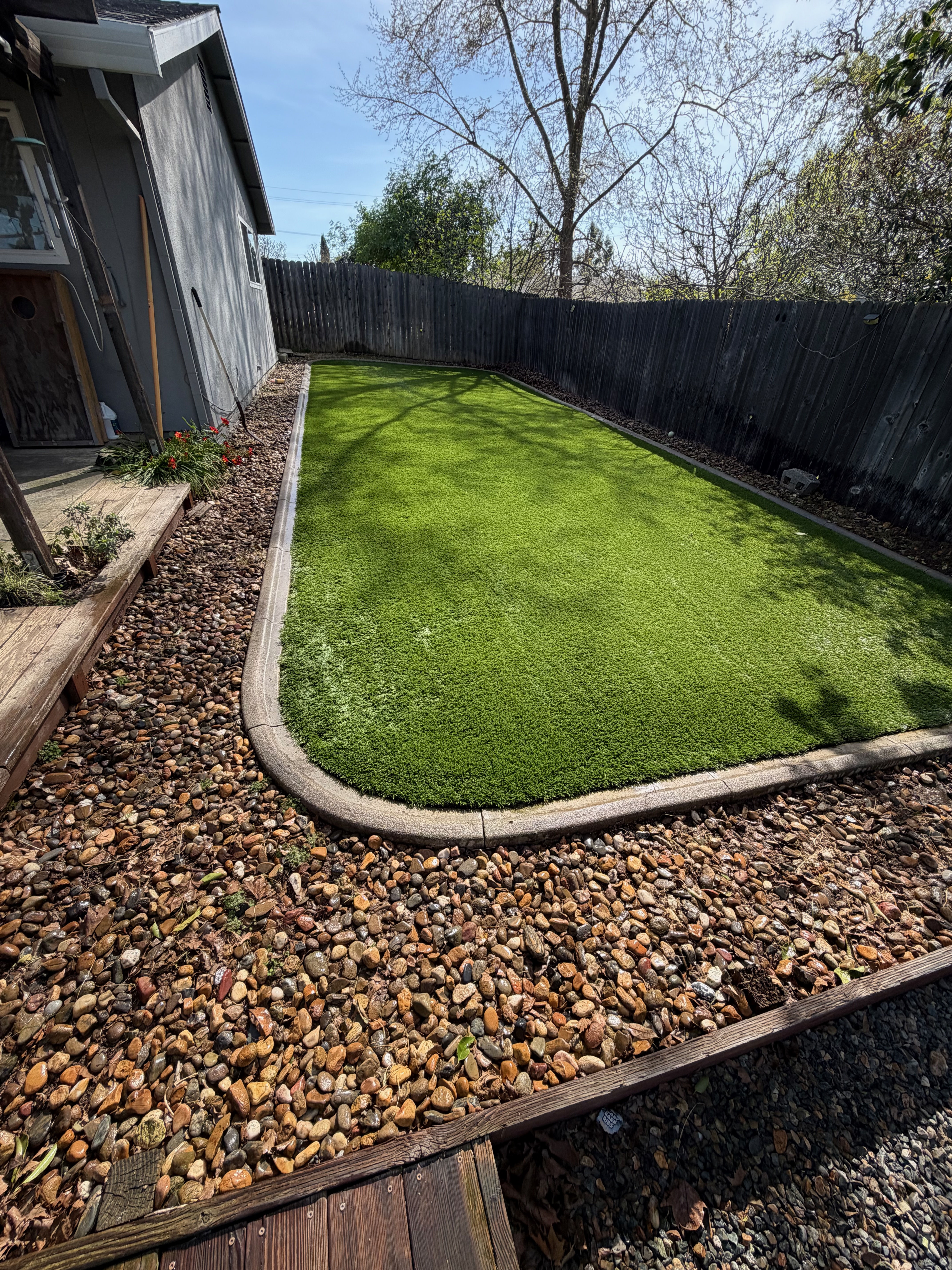
A closer look at outdoor artificial turf spaces.
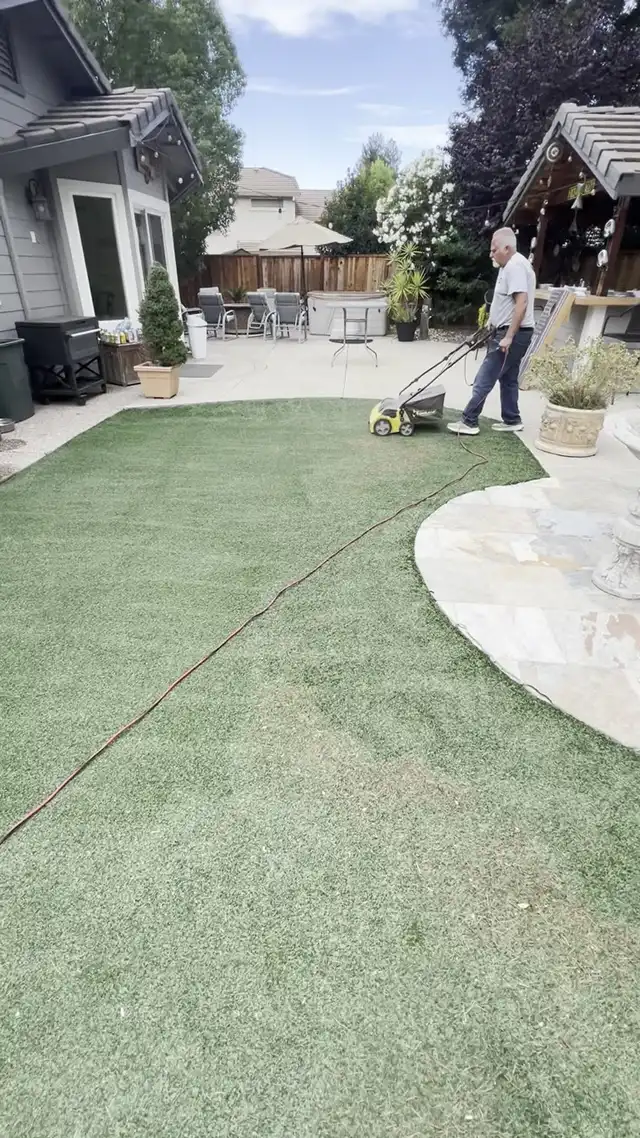
Grooming in progress
A power broom lifting flattened fibers on an installed lawn. The method and equipment should suit your turf and its care instructions.
Interested in Blooming & De-Compacting?
Every property is different. Contact us for a free, no-obligation quote tailored to your turf size, use, access, and condition.
Frequently Asked Questions
Will blooming make old turf look newly installed?
Results depend on fiber wear, turf construction, infill, and the underlying installation. Grooming may improve matting, but permanent wear or damage can need repair or replacement.
Can grooming fix standing water?
Not always. Debris or compacted surface material may be part of the problem, but the base and outlets also affect drainage. Show us where water collects so cleaning and any separate repair needs can be distinguished.
Can the same machine settings be used on every turf?
The method should suit the product and its care instructions. Identify putting greens, specialty surfaces, and unknown infill before work is planned.
When should I request grooming?
Consider an assessment when traffic paths stay flattened or the infill condition changes. The useful interval depends on use and surface condition rather than a universal schedule.
Ready to Restore Your Turf?
Request a free, no-obligation quote for blooming & de-compacting and discuss the work that fits your property.